Managing Shipping Methods Safety
Discover the Benefits of Bulk Haulage Services for Efficient Freight Transportation.
Large-volume freight transport have emerged as a pivotal solution for companies seeking to optimize freight transportation. With major financial advantages and enhanced operational performance, these services offer a range of advantages - Illinois top rated Bulk Trucking. Companies can benefit from enhanced delivery speed, improved volume utilization, and a focus on green practices. As the sector develops, understanding these benefits becomes essential for those seeking a competitive edge. What key upsides can businesses harness to enhance their supply chain planning?
Cost Savings Via Volume Transport
Shipping in large quantities can lead to significant cost savings for businesses, often cutting costs by as much as 30% compared to traditional shipping methods. This reduction is due to various elements, including volume-based efficiency. When companies transport goods in greater volumes, they gain from lower per-unit shipping costs. Additionally, bulk shipping typically involves fewer trips, which minimizes fuel consumption and overall transportation expenses.
Moreover, volume transport allows businesses to secure improved pricing with carriers owing to the large shipment size being shipped. This leverage can lead to improved transactional terms and sustained financial benefits. The lower labor expenses associated with bulk shipments also boost fiscal performance, as fewer transfers mean decreased staffing needs and reduced risk of damage.
In conclusion, adopting volume transport not only enhances a company's bottom line but also encourages green methods by optimizing resource use and reducing the carbon footprint associated with freight transportation.
Enhanced Delivery Speed and Effectiveness
Enhanced delivery speed and efficiency are vital features of volume haulage solutions. By using optimized loading procedures, companies can significantly shorten shipping durations, making certain goods arrive sooner. This improvement not only increases client happiness but also streamlines organizational output.
Decreased Delivery Periods
In the fast-paced world of freight transportation, expedited shipping schedules are crucial for meeting customer demands and maintaining competitive advantage. Mass freight carriers enhance travel plans and make operations more efficient, enabling quicker deliveries. By utilizing larger capacities, these providers reduce the necessary amount of journeys, thus accelerating the entire shipping procedure. This efficiency not only enhances customer satisfaction but also fosters loyalty, because clients favor on-time arrival. In addition, faster transport periods may contribute to reduced operating expenditures, as businesses can allocate resources more effectively. In a competitive environment where quickness matters, heavy transport providers stand out as a key answer, allowing companies to respond rapidly to fluctuating demand and sustain a strong logistics network.
Streamlined Loading Processes
Streamlined loading procedures contribute greatly to enhancing shipment velocity and total effectiveness in logistics. By employing sophisticated equipment and improved procedures, mass freight carriers are able to lessen the period at loading areas. Automated technology and strategically positioned loading spaces facilitate quicker access and unloading, making possible shorter waiting periods. Additionally, employing trained personnel who understand best practices guarantees that cargo is loaded safely and securely, reducing the likelihood of damage. This optimized method doesn't just improve operational effectiveness it also assists in meeting delivery deadlines, meeting customer expectations. Ultimately, the effectiveness of loading processes directly correlates with the total output of heavy transport providers, establishing it as an essential part of successful cargo movement.
Improved Load Capacity and Utilization
Maximizing load capacity is an important aspect of bulk trucking services which profoundly impacts overall shipping efficiency. Heavy transport employs dedicated trucks built to haul massive volumes of freight, which considerably enhances load capacity compared to traditional trucking methods. The larger capacity means companies can convey more freight using less travel, lowering total shipping expenditure and lessening ecological footprint due to reduced gas usage.
Likewise, maximizing load utilization confirms that all available vehicle volume is properly used, creating the highest possible shipment density. By utilizing modern loading procedures and tactical preparation, bulk trucking services can achieve higher payloads, which rationalizes procedures and quickens shipment schedules. The power to move substantial volumes not only addresses customer requirements more fully it also boosts the total output of the supply chain processes. Thus, better load management and utilization are vital in boosting the productivity of freight transportation in the bulk trucking sector.
Greater Consistency and Trustworthiness
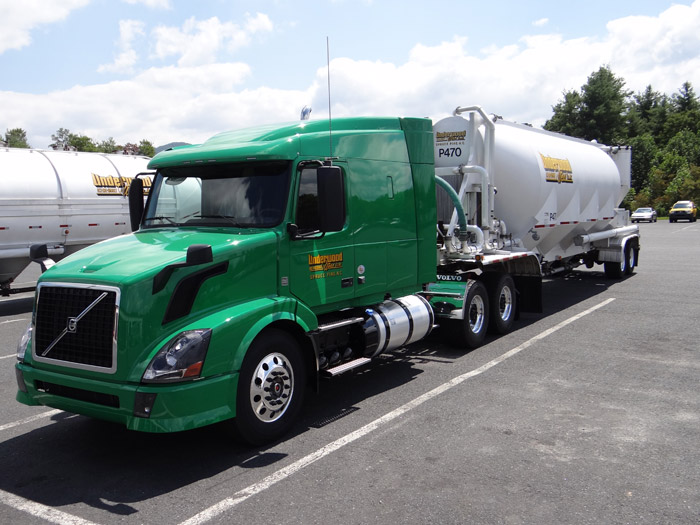
In bulk hauling services, greater dependability and uniformity are paramount for efficient cargo movement. On-time shipments and reliable transit timelines reduce interruptions, allowing businesses to plan their operations productively. Moreover, enhanced load management makes certain resources are used efficiently, further strengthening the reliability of these services.
Punctual Shipping Always
Although various factors can impact transport schedules, dependable bulk transport providers ensure punctual shipments that meet customer expectations. These services utilize a mix of modern logistics, trained personnel, and reliable fleets to ensure cargo arrives punctually. Consistent communication between shippers and customers further improves dependability, allowing for real-time updates and swift resolution of potential issues. Through focusing on timeliness, bulk trucking companies foster customer belief, developing enduring relationships. This dependability doesn't just cut down on holdups but also aids clients in simplifying their workflow, lowering expenses related to stock storage and manufacturing halts. In the end, on-time arrivals stand as a pillar of efficient bulk hauling, reinforcing its importance in streamlined goods transit.
Predictable Shipping Schedules
Trustworthy bulk hauling companies do more than just ensure punctual shipments but also set up consistent transit timetelines that improve total supply chain management. By ensuring steady collection and delivery slots, businesses can better plan their supply chains and control stock quantities. This consistency enables firms to match manufacturing timelines and optimize resource allocation, minimizing the chance of setbacks or interruptions. In addition, consistent transit builds better partnerships between shippers and carriers, creating a more collaborative environment. This standard of consistency allows firms to clearly share arrival estimates with customers, thus boosting client happiness. Taken together, predictable shipping schedules are vital for keeping cargo movement productive, making sure processes proceed seamlessly and productively.
Improved Cargo Organization
Optimized load control is key to increasing the reliability and consistency of bulk trucking services. Through the efficient coordination and streamlining of the loading process, firms make certain that shipments are delivered on time and in full. This systematic approach decreases the hazard of overloading or underloading vehicles, leading to better fuel efficiency and reduced costs. Advanced technologies, like real-time load monitoring, further enhance transparency, letting clients observe cargo live. Moreover, improved load management contributes to better route planning, ensuring that drivers meet timelines free from avoidable holdups. Thus, businesses benefit from dependable transit times, fostering trust and satisfaction among clients, thereby reinforcing market superiority in the freight transportation industry.
Environmental Benefits of Bulk Transportation
As industries seek sustainable solutions, bulk transportation proves to be a very effective way to move cargo that substantially lowers harm to the environment. By grouping substantial amounts of cargo into fewer shipments, bulk trucking minimizes the number of trips required, resulting in diminished fuel use and lower carbon emissions. This efficiency results in a reduced ecological impact than standard cargo transportation.
Moreover, bulk transportation frequently employs dedicated trucks built for superior wind resistance and weight placement, boosting energy conservation even more. The reduction in packaging materials also plays a significant role in decreasing waste, because bulk cargo uses fewer individual containers compared to smaller, conventional shipments.
Moreover, many bulk trucking companies are progressively implementing green technologies, including cleaner power sources and battery-powered transport, to minimize their effect on the environment. Taken together, bulk transportation delivers a viable answer for businesses seeking to improve environmental responsibility while ensuring efficient freight logistics.
Adaptable Options for Varied Cargo Requirements
While traditional freight methods often struggle to accommodate varying shipment sizes and requirements, bulk trucking services deliver versatile methods that meet diverse cargo demands. These services can skillfully ship massive amounts of cargo, including liquids, powders, or other bulk items, enabling businesses to optimize their supply chains.
Bulk trucking is particularly advantageous for companies with fluctuating product demands, as it allows for quick adjustments in shipment size and frequency. This flexibility both minimizes expenditures related to idle carrying potential but also guarantees timely delivery, enhancing customer satisfaction.
Moreover, bulk trucking services have access to custom-designed trucks, ensuring varied cargo is managed securely and effectively. By leveraging these versatile solutions, businesses can streamline their operations and respond effectively to market changes, ultimately leading to improved logistical efficiency and a competitive edge in the industry.
Frequently Asked Questions
What Types of Goods Are Suitable for Bulk Trucking Services?
Various goods are suitable for bulk trucking services, including agricultural products, chemicals, construction materials, and food items. These services effectively transport large quantities, ensuring efficient handling and delivery of diverse materials across various professional advice industries.
How Do I Choose a Reliable Bulk Trucking Provider?
To choose a reliable bulk trucking provider, one should evaluate their reputation, check for appropriate certifications, assess customer reviews, compare pricing structures, and guarantee they have the necessary equipment to handle specific freight needs efficiently. Illinois top rated Bulk Trucking.
Illinois top rated Bulk Trucking.
Are There Minimum Load Requirements for Bulk Trucking?

Yes, bulk trucking often has minimum load requirements, which can vary by provider and type of freight. Typically, these minimums guarantee cost-efficiency, enabling carriers to optimize routes and maximize their capacity for transporting goods.
What Safety Measures Are in Place for Bulk Freight?
Safety measures for bulk freight include secure loading practices, regular vehicle inspections, adherence to weight limits, driver training programs, and compliance with regulations. These protocols guarantee cargo safety and minimize risks during transportation.
Can Bulk Trucking Handle Perishable Goods Effectively?
Yes, bulk trucking can handle perishable goods effectively through temperature-controlled vehicles, specialized packaging, and timely delivery schedules, ensuring that products remain fresh and safe during transportation while minimizing spoilage and maximizing efficiency.